
Blog
Grounding Sheets Pros & Cons: Do They Really Work?

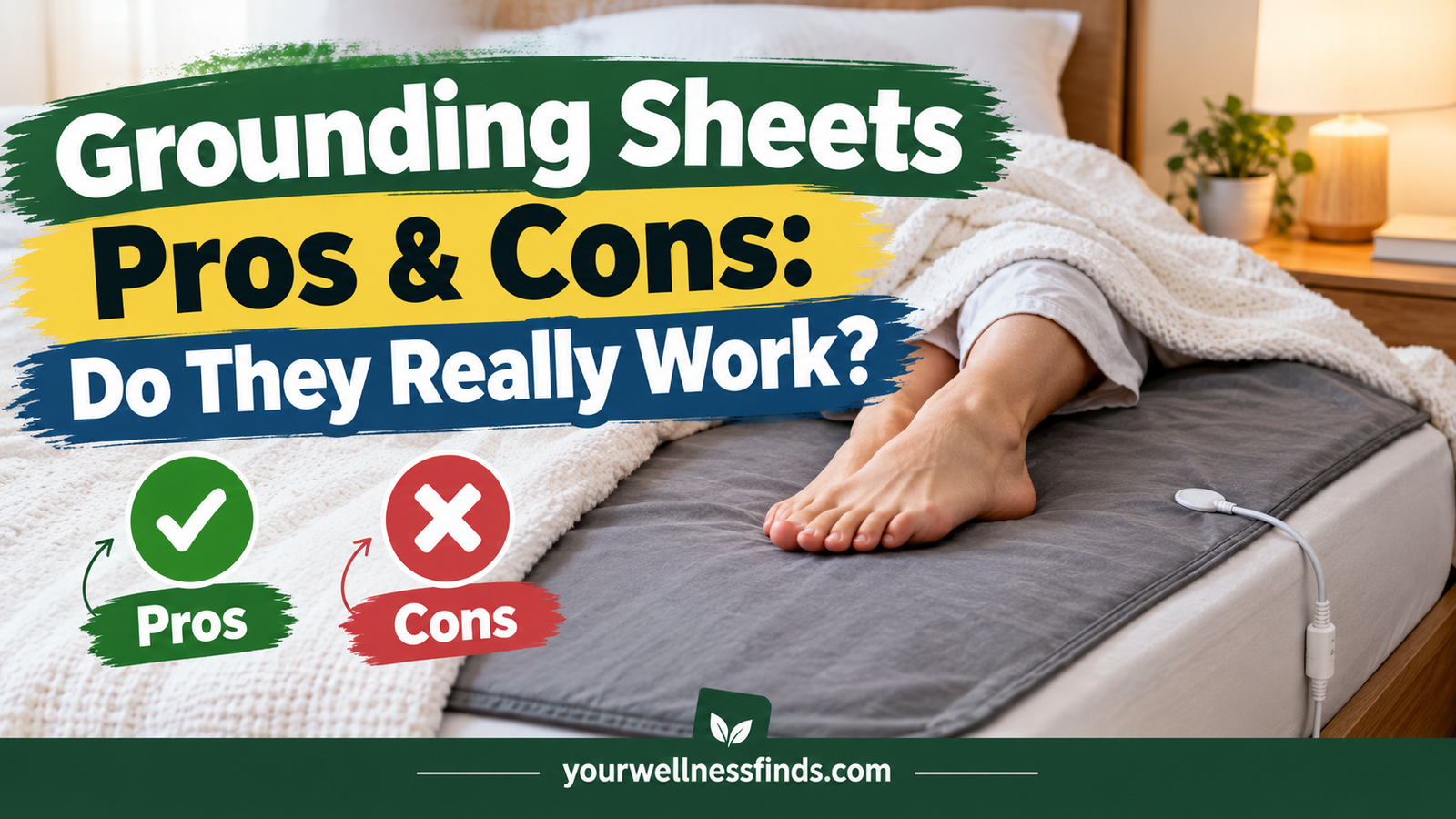
Grounding sheets are everywhere in biohacking circles. The pitch is simple: sleep connected to the earth and feel better. But do they work, or is it just a trend?
Quick answer: The evidence is limited. A few small studies suggest possible benefits for sleep, pain, and stress, but the studies are small, short, and often lack strong controls. Grounding sheets are generally low-risk if used correctly, but they are not proven to treat any condition. Treat them as an experiment, not a medical solution.
Why Grounding Sheets Matter for Sleep and Wellness Goals
Grounding, also called earthing, is the idea that direct contact with the earth’s surface electrons may affect the body. Supporters say it may reduce inflammation, ease stress, and improve sleep.
Grounding sheets try to copy this indoors. They are made with conductive threads, usually silver. A cord connects the sheet to the ground port of a wall outlet, or to a ground rod outside.
People search for them because:
- They want better sleep without supplements
- They are curious about biohacking tools
- They want a passive habit, since you just sleep on them
- They have heard social media claims about inflammation and recovery
Here is the honest picture. Some small studies report better sleep and lower stress markers. Many were small, had short durations, and some involved people connected to the industry. Large, independent trials are still missing. So the claims are interesting, but not settled.
How to Evaluate and Choose a Grounding Sheet: Step-by-Step Recommendations
1. Check the Conductive Material
Most quality sheets use cotton blended with silver thread. Check how much silver the maker lists and whether technical data is provided.
Pros:
- Silver is highly conductive
- Silver has natural antimicrobial properties
- Most reputable brands publish material details
Cons:
- Silver content raises the price
- Performance can drop after many washes
- Some brands give vague material claims
2. Look for a Built-In Safety Resistor
A good grounding cord includes a resistor in the plug or cord. This limits current flow as a safety measure.
Pros:
- Adds a layer of protection
- Common among reputable products
Cons:
- Cheap, no-name products may skip it
- Hard for buyers to verify without documentation
3. Confirm Your Outlet Is Properly Grounded
The cord plugs into the ground port only, never the hot or neutral slots. Use a simple outlet tester first. Older homes may lack proper grounding.
Pros:
- A cheap tester gives quick confirmation
- Prevents setup mistakes
Cons:
- Extra step before use
- Older homes may need an electrician to check the wiring
4. Compare Sheet Types and Sizes
Options include fitted sheets, flat sheets, mattress pads, and half sheets. Fitted sheets stay in place better. Half sheets cost less but cover less skin contact.
Pros:
- Many sizes and price levels
- Half sheets work for budget buyers
Cons:
- Full-size options can be expensive
- Some designs slip or bunch
5. Read Care Instructions and Return Policy
Washing instructions matter. Harsh detergents, bleach, and fabric softener may reduce conductivity over time. A fair return policy helps if you don’t notice a difference.
Pros:
- Proper care extends life
- Return policies lower your risk
Cons:
- Care is more fussy than regular bedding
- Some policies limit returns after use
Overall Pros and Cons
Pros:
- Low effort once set up
- Generally low risk when used correctly
- Some small studies show promising results
- No pills or routines to remember
Cons:
- Evidence is limited and mostly small-scale
- Can be costly
- Requires a properly grounded outlet
- Results vary, and placebo effects are possible
- Not a substitute for medical care
Common Mistakes to Avoid
Expecting medical results. Grounding sheets are not proven to treat insomnia, pain, or inflammation.
Plugging into the wrong outlet slot. Use only the ground port of a correctly wired outlet. If unsure, ask a qualified electrician.
Using an outlet with no ground connection. The sheet can’t work as intended, and you may get a false sense of safety.
Skipping the instructions. Always follow the manufacturer’s setup and washing guidelines.
Buying on hype alone. Be cautious with ads that promise cures or use dramatic before-and-after claims.
Changing too many things at once. If you start a sheet, a new supplement, and a new bedtime together, you won’t know what helped.
Ignoring real sleep basics. Consistent schedules, a dark room, limited caffeine, and a cool bedroom still matter most.
Frequently Asked Questions
Do grounding sheets really work?
The evidence is mixed and limited. Some small studies suggest benefits, but stronger independent research is needed.
Are grounding sheets safe?
They are generally considered low-risk when used with a properly grounded outlet and the included cord. Follow the manufacturer’s instructions and local electrical guidance. If you have a medical device such as a pacemaker, or a health condition, ask your doctor first.
Can a grounding sheet improve sleep?
Some users report better sleep, and a few small studies point that way. Results are not guaranteed, and placebo effects may play a role.
Do grounding sheets reduce inflammation or pain?
Some early studies explored this, but the evidence is not strong enough to call it proven. Don’t use a sheet in place of medical treatment.
How long before I notice anything?
Brands often suggest a few weeks. A two to four week trial with simple sleep notes is a reasonable way to judge for yourself.
How do I wash a grounding sheet?
Check the label. Many brands suggest gentle detergent, no bleach, and no fabric softener. Following the instructions helps keep the silver threads working.
Are grounding sheets worth the money?
It depends on your budget and expectations. If you are curious and the return policy is fair, it can be a low-risk experiment. If you need proven results, spend first on sleep basics and professional advice.
Is grounding the same as red light or other biohacking tools?
No. They are different ideas with different levels of evidence. Evaluate each on its own.
Conclusion: Next Steps
Grounding sheets are a popular, low-effort wellness product, but the science is still early. They may help some people feel better. They are not a proven cure.
Your next steps:
- Test your outlet for proper grounding before buying.
- Choose a sheet with clear material details, a resistor in the cord, and a fair return policy.
- Try it for two to four weeks while keeping other habits steady.
- Track your sleep and mood in a simple journal.
- Talk to a healthcare professional about ongoing sleep or pain problems.